

biorecyclingLabs

This template is provided by OpenElement and was made in partnership with Sensode.
A complete FAQ is available describing various elements composing it (see the FAQ page in the Site Explorer on the left).
In case of questions, please visit the forum.
This text block can safely be removed and will not appear on the page.
A complete FAQ is available describing various elements composing it (see the FAQ page in the Site Explorer on the left).
In case of questions, please visit the forum.
This text block can safely be removed and will not appear on the page.
Transforming Textile Waste into Tomorrow’s Resources
The Concept
biorecyclingLabs focuses on improving how textile waste is understood and integrated into circular material systems through systems engineering approaches, process analysis, and recycling pathway evaluation across biological, chemical, and mechanical routes.
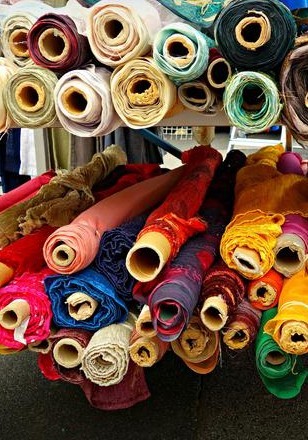
The global textile industry faces a growing sustainability challenge. Every year, millions of tons of textiles are discarded after only brief use, yet less than 1% are recycled back into new fibers.
While recycling systems do exist, current methods often:
• Require significant energy, water, or chemical inputs;
• Degrade material quality during processing;
• Struggle to process blended or treated fabrics;
• Downcycle materials into lower-value applications;
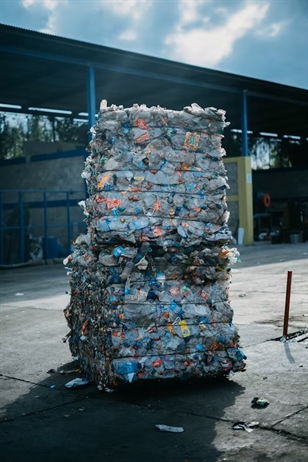
As a result, large volumes of textile waste are still incinerated, landfilled, or converted into lower-value products such as insulation or fillers, limiting long-term material recovery and circularity.
A major challenge lies in the complexity of modern textiles, which often combine natural and synthetic fibers alongside dyes, coatings, and chemical treatments that are difficult to separate within existing systems. Textile dyeing and processing also remain among the world’s largest contributors to industrial water pollution, while less than 15% of textile waste is collected for recycling globally.
biorecyclingLabs was founded on the belief that waste should not mark the end of a material’s lifecycle.
By developing and analysing recycling pathways and system-level processes inspired by natural and industrial systems, we aim to support more effective recovery and reintegration of materials into production cycles.
The global textile industry faces a growing sustainability challenge. Every year, millions of tons of textiles are discarded after only brief use, yet less than 1% are recycled back into new fibers.
While recycling systems do exist, current methods often:
• Require significant energy, water, or chemical inputs;
• Degrade material quality during processing;
• Struggle to process blended or treated fabrics;
• Downcycle materials into lower-value applications;
As a result, large volumes of textile waste are still incinerated, landfilled, or converted into lower-value products such as insulation or fillers, limiting long-term material recovery and circularity.
A major challenge lies in the complexity of modern textiles, which often combine natural and synthetic fibers alongside dyes, coatings, and chemical treatments that are difficult to separate within existing systems. Textile dyeing and processing also remain among the world’s largest contributors to industrial water pollution, while less than 15% of textile waste is collected for recycling globally.
biorecyclingLabs was founded on the belief that waste should not mark the end of a material’s lifecycle.
By developing and analysing recycling pathways and system-level processes inspired by natural and industrial systems, we aim to support more effective recovery and reintegration of materials into production cycles.
Developing Biological Recycling for a Circular Textile Economy
The Project
Current textile recycling systems were not designed to efficiently manage the complexity of modern textile waste streams. Mechanical recycling often shortens and weakens fibers, chemical recycling can require significant energy and infrastructure, and thermal processes may destroy potentially recoverable material value.
Many systems struggle particularly with blended and mixed-material textiles, which now represent a large share of global textile waste. As a result, valuable resources are often lost even when recycling infrastructure exists.
biorecyclingLabs develops systems-level methods for evaluating and improving recycling pathways, including biological, mechanical, and chemical routes, to better understand how materials can be directed through viable recovery systems.
Our approach aims to harness biotechnology to enable controlled biological processes for breaking down complex textile materials and recovering reusable feedstock for future applications. Unlike conventional recycling approaches, biological recycling has the potential to recover materials through lower-impact pathways inspired by natural decomposition mechanisms
Our work focuses on:
• Assessing how complex textile waste streams can be directed toward viable recycling pathways;
• Evaluating biological, mechanical, and chemical recycling options within integrated systems;
• Identifying bottlenecks in sorting, collection, and processing infrastructures;
• Supporting more efficient circular material flows;
• Reducing uncertainty in recycling pathway selection and system design;
• Understanding trade-offs between different recycling routes (cost, yield, scalability, environmental impact);
• Supporting practical implementation of circular economy strategies
A sustainable textile industry requires more than isolated technological development — it requires coherent system design across the full material lifecycle.
biorecyclingLabs develops systems engineering and process integration methods to design, model, and optimise recycling systems across multiple technological pathways and industrial constraints.
Many systems struggle particularly with blended and mixed-material textiles, which now represent a large share of global textile waste. As a result, valuable resources are often lost even when recycling infrastructure exists.
biorecyclingLabs develops systems-level methods for evaluating and improving recycling pathways, including biological, mechanical, and chemical routes, to better understand how materials can be directed through viable recovery systems.
Our approach aims to harness biotechnology to enable controlled biological processes for breaking down complex textile materials and recovering reusable feedstock for future applications. Unlike conventional recycling approaches, biological recycling has the potential to recover materials through lower-impact pathways inspired by natural decomposition mechanisms
Our work focuses on:
• Assessing how complex textile waste streams can be directed toward viable recycling pathways;
• Evaluating biological, mechanical, and chemical recycling options within integrated systems;
• Identifying bottlenecks in sorting, collection, and processing infrastructures;
• Supporting more efficient circular material flows;
• Reducing uncertainty in recycling pathway selection and system design;
• Understanding trade-offs between different recycling routes (cost, yield, scalability, environmental impact);
• Supporting practical implementation of circular economy strategies
A sustainable textile industry requires more than isolated technological development — it requires coherent system design across the full material lifecycle.
biorecyclingLabs develops systems engineering and process integration methods to design, model, and optimise recycling systems across multiple technological pathways and industrial constraints.


Our Services
The Action
biorecyclingLabs provides research-informed consulting to support decision-making across textile recycling and circular economy systems. Our work helps organizations navigate technical, structural, regulatory, and strategic challenges related to material recovery and system design.
Our work begins with an assessment and determination of which are the specific questions and constraints of each project, as well as the perimeter of the intended objectives. From there, we provide a tailored set of deliverables including:
• Recyclability and pathway evaluation:
• Decision-support frameworks for circularity and compliance:
• Technology feasibility and integration assessment:
• Regulatory and strategic interpretation for recycling systems:
Our work begins with an assessment and determination of which are the specific questions and constraints of each project, as well as the perimeter of the intended objectives. From there, we provide a tailored set of deliverables including:
• Recyclability and pathway evaluation:
We assess material streams and identify viable recovery routes, helping reduce processing costs, avoid low-value downcycling, and improve recovery yield potential.• Recycling system design and optimisation:
We model and analyse circular system structures and material flows to identify inefficiencies, bottlenecks, and opportunities for improved system performance and cost reduction.
• Decision-support frameworks for circularity and compliance:
We translate sustainability and regulatory requirements into structured tools that reduce compliance risk, improve reporting efficiency, and support faster decision-making.
• Technology feasibility and integration assessment:
We evaluate recycling technologies in terms of scalability, system compatibility, and economic viability to reduce investment risk and prevent misallocation of capital.
• Regulatory and strategic interpretation for recycling systems:
We support organisations in understanding and applying regulatory constraints to improve strategic planning and reduce uncertainty and risk in system development.
Each engagement is tailored to the context — whether focused on materials, infrastructure, technology choices, or regulatory constraints — with the goal of reducing uncertainty and improving decision quality in complex recycling systems.
Building a Sustainable Future, One Fiber at a Time
The Next Steps
The future of recycling depends on systems that recover value from waste rather than allowing materials to be lost after use.
biorecyclingLabs focuses on developing analytical tools and systems-level methods to improve how textile waste is assessed, managed, and reintegrated into circular production systems.
By combining systems engineering approaches with circular economy principles across multiple recycling pathways, we are working toward practical solutions to one of the world’s fastest-growing environmental challenges.
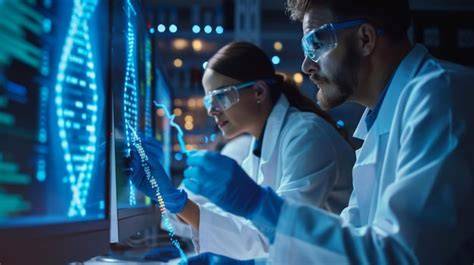
Ready to Make a Difference?
Whether you are a research partner, sustainability organisation, investor, manufacturer, or innovator, we welcome opportunities to collaborate on the development of more circular material systems.
Whether you are a research partner, sustainability organisation, investor, manufacturer, or innovator, we welcome opportunities to collaborate on the development of more circular material systems.
NEWS

News 01 - Biological Recycling: Emerging Approaches to Textile Recovery
Biological recycling is an emerging field exploring the use of biological systems to process and recover value from complex textile waste streams.
Rather than relying on purely mechanical force or high-energy chemical breakdown, biological approaches aim ....
Rather than relying on purely mechanical force or high-energy chemical breakdown, biological approaches aim ....
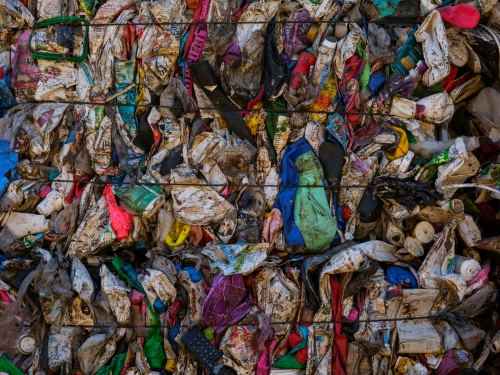
News 02 -Mechanical & Chemical Textile Recycling: Current Limitations
Modern textiles vary significantly in their material composition, structure, and chemical treatment, which creates major challenges for recycling systems.
Garments are often made from blends of natural fibers such as cotton or wool combined with synthetics like polyester, elastane, or nylon, frequently in varying ratios even within the same product line. In addition,.....
Garments are often made from blends of natural fibers such as cotton or wool combined with synthetics like polyester, elastane, or nylon, frequently in varying ratios even within the same product line. In addition,.....

News 03— EU Textile Waste Regulation: Policy Shifts and Extended Producer Responsibility
The European Union is currently implementing a series of legislative changes aimed at addressing growing textile waste volumes and improving circularity within the sector.
Under the revised Waste Framework Directive, EU member states are required to establish separate collection systems for textile waste. A key component of this framework is ....
Under the revised Waste Framework Directive, EU member states are required to establish separate collection systems for textile waste. A key component of this framework is ....
